Car
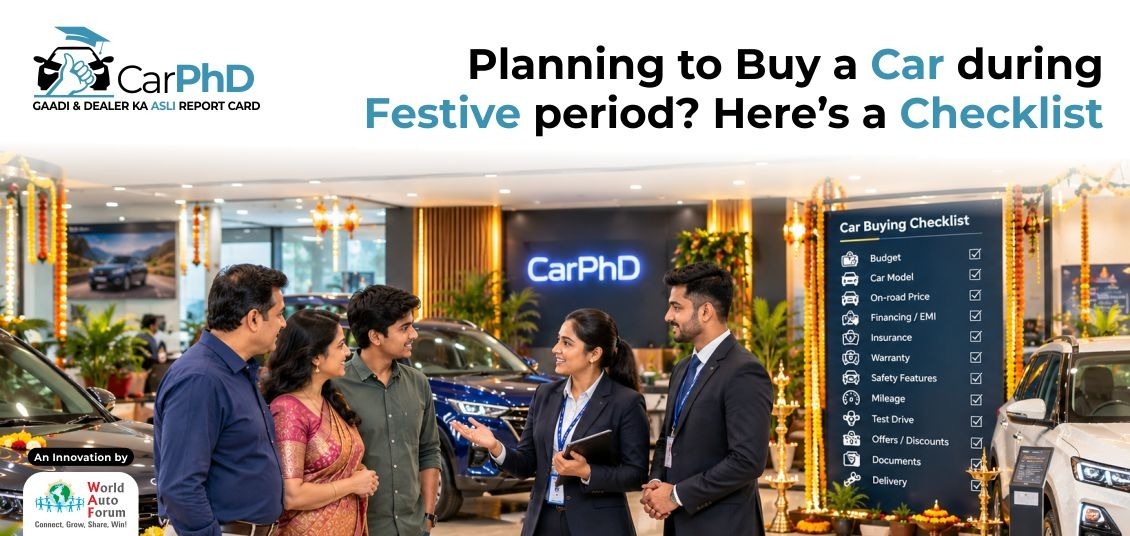
Planning to Buy a Car during festive period? Here’s a checklist

CarPhD






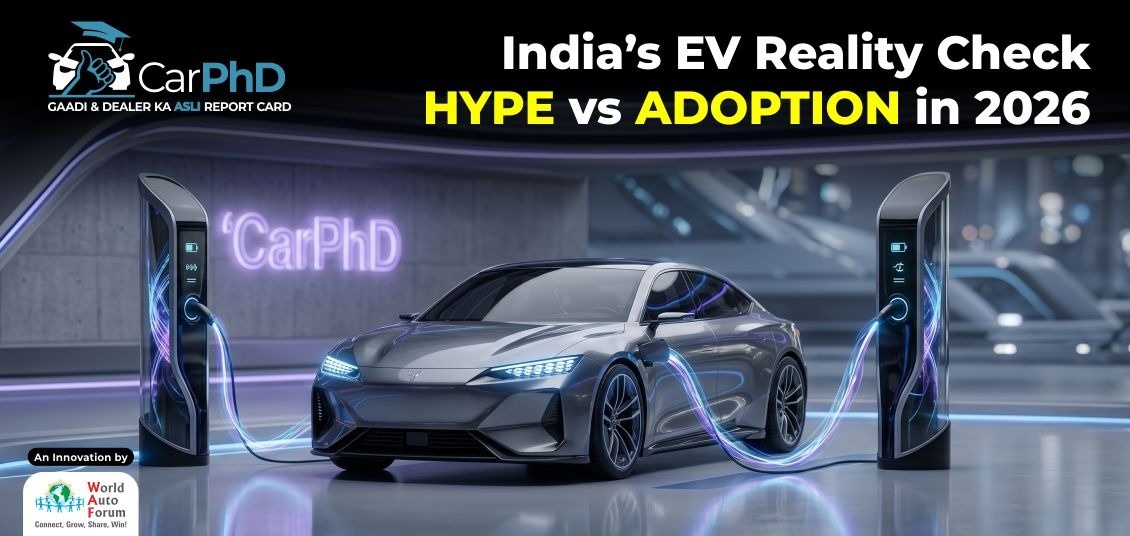
India’s EV Reality Check: Hype vs Adoption in 2026
Electric Vehicles (EVs) have rapidly moved from niche to mainstream conversation in India. With strong policy push, rising fuel prices, and increasing launches from automakers, EVs are often positioned as the future of mobility.
But a key question remains:
Is India truly ready for mass EV adoption in 2026—or is the market still driven more by hype than reality?
This CarPhD analysis breaks down the real state of EV adoption in India, using a practical, data-led lens.
EV Adoption in India: Where We Stand Today
Despite the buzz, EV penetration in India’s passenger vehicle segment remains relatively low.
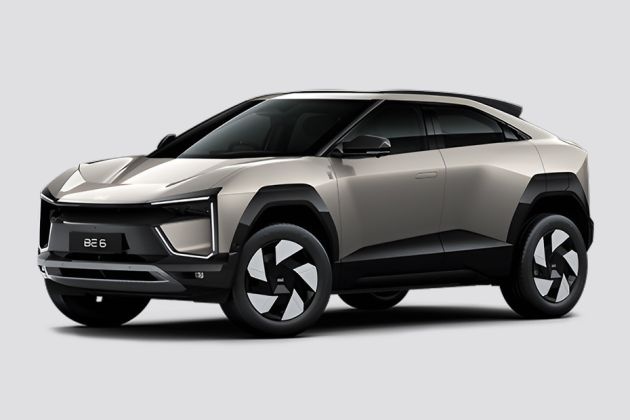
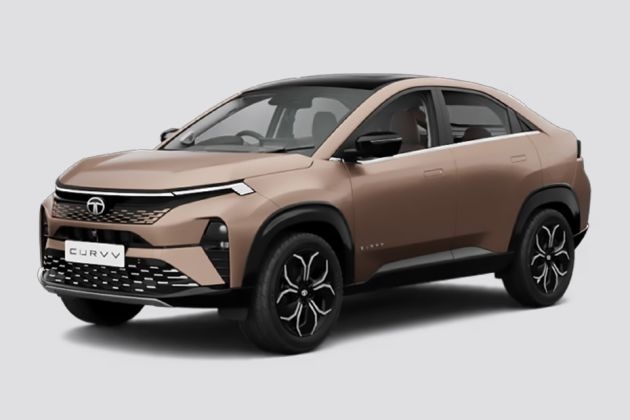
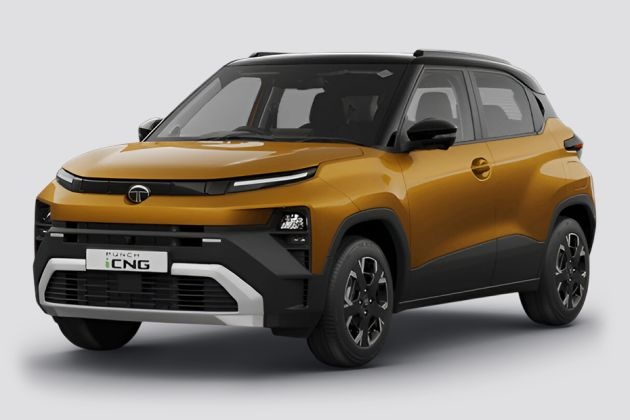
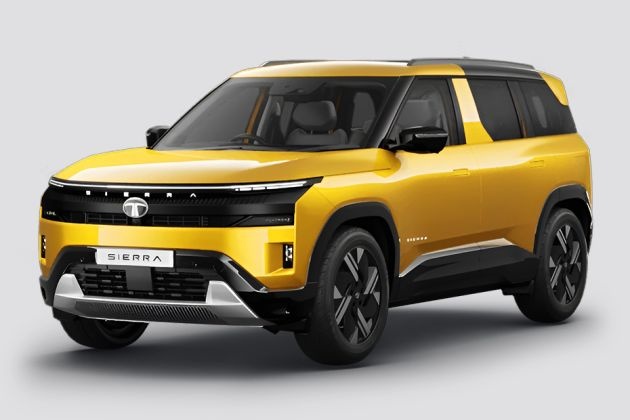
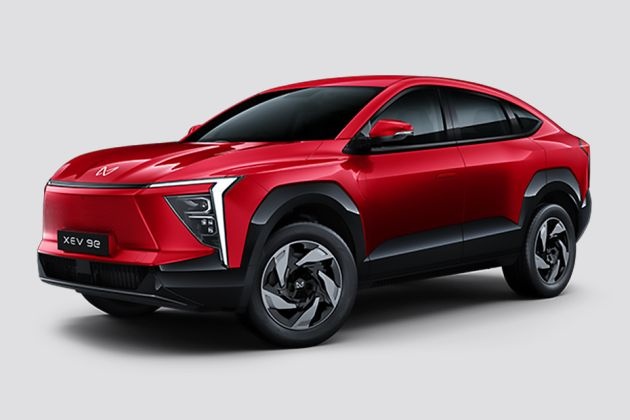
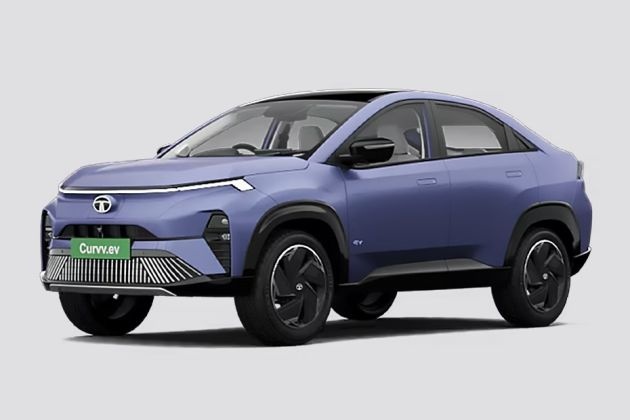
Automakers like Tata Motors, Mahindra & Mahindra, and MG Motor India have expanded their EV portfolios, yet internal combustion engine (ICE) vehicles continue to dominate overall sales.
Get the best deals on cars. Click here!Key Insight: EV growth is visible—but still far from mass adoption.
What’s Driving the EV Hype?
1. Government Push
India’s EV ecosystem has been strongly supported by initiatives like
FAME II (Faster Adoption and Manufacturing of Electric Vehicles), along with state-level subsidies and incentives.
2. OEM Strategy Shift
Automakers are aggressively investing in EVs:
3. Rising Fuel Prices
Volatility in petrol and diesel prices is pushing consumers to explore alternatives with lower running costs.
4. Sustainability Narrative
Urban consumers are increasingly aligning with global climate goals, making EVs an aspirational, environmentally responsible choice.
The Ground Reality: Challenges Slowing Adoption
1. Charging Infrastructure Gap
Charging infrastructure remains inconsistent:
Impact: Range anxiety continues to influence buying decisions.
2. High Upfront Cost
Even with subsidies, EVs are typically:
3. Limited Product Diversity
Current EV offerings are concentrated in:
Mass-market segments—especially affordable cars—remain underserved.
4. Charging Time vs Refueling
This gap directly affects convenience and user confidence.
5. Resale Value Uncertainty
Concerns around battery life, degradation, and evolving technology make resale value difficult to predict.
EV vs ICE: Total Cost of Ownership Reality
EVs offer lower running costs, but overall economics depend on usage patterns.
EVs make sense when:
ICE vehicles remain practical when:
Conclusion: EV affordability is context-driven, not universal.
Who Is Actually Buying EVs in India?
Typical EV Buyer Profile:
Adoption in rural and semi-urban markets remains limited.
What Needs to Change for Mass Adoption?
1. Charging Network Expansion
Reliable, fast, and widely distributed infrastructure—especially on highways.
2. Battery Cost Reduction
Localization and economies of scale will play a critical role.
3. Affordable EV Launches
Mass adoption hinges on EVs priced under ₹10 lakh.
4. Policy Stability
Consistent long-term policies will boost both consumer and industry confidence.
Future Outlook: 2026–2030
CarPhD Final Verdict
India’s EV journey in 2026 is at an inflection point—not a mass adoption phase.
EVs today are best suited for specific use cases, not all consumers.
EV adoption in India will scale steadily—but true mass adoption will begin only when affordability and charging accessibility improve significantly.
EVs are not overhyped—but they are overexpected in the short term.
———