Car
Planning to Buy a Car during festive period? Here’s a checklist

CarPhD






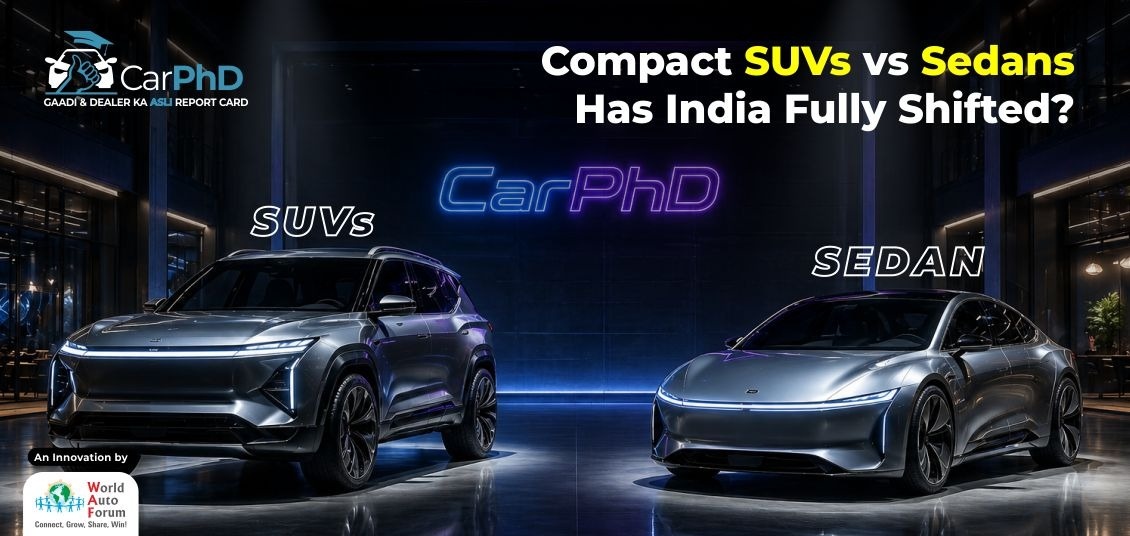
The Indian car market has changed dramatically over the last decade. A quick glance at sales charts or traffic on urban roads reveals one dominant trend—compact SUVs are everywhere. Naturally, this raises a key question for buyers and industry observers alike:
Has India completely moved on from sedans?
The answer isn’t as straightforward as it seems.
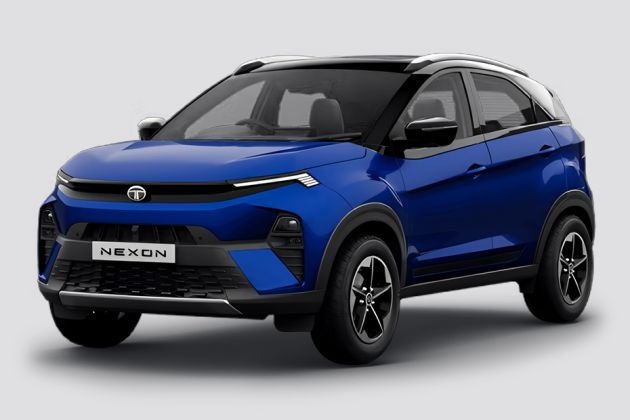
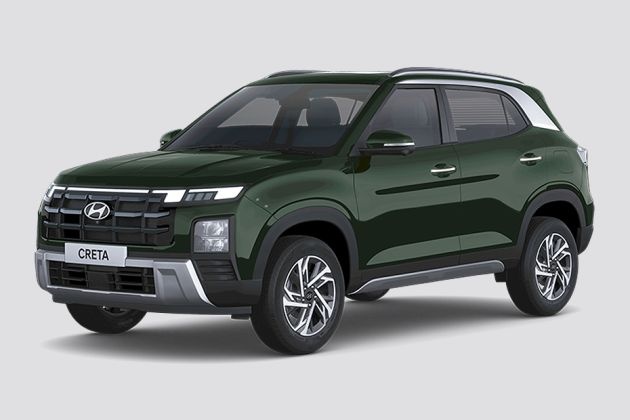
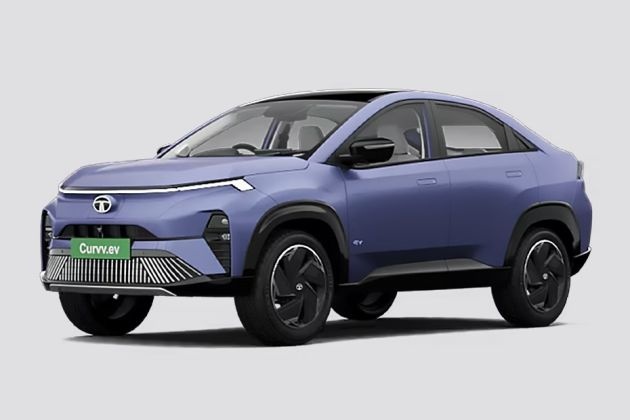
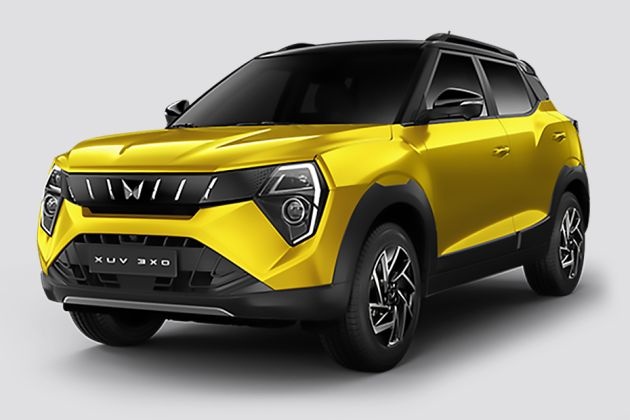
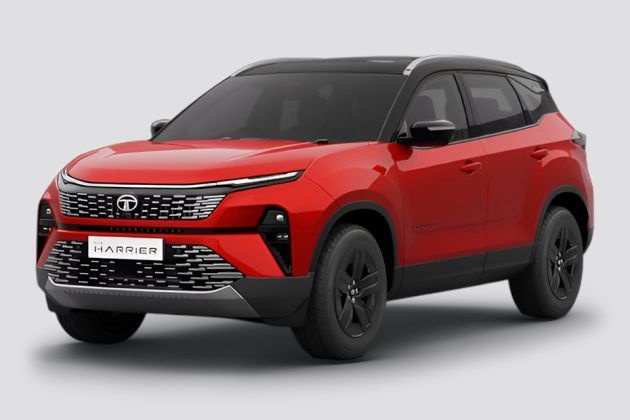
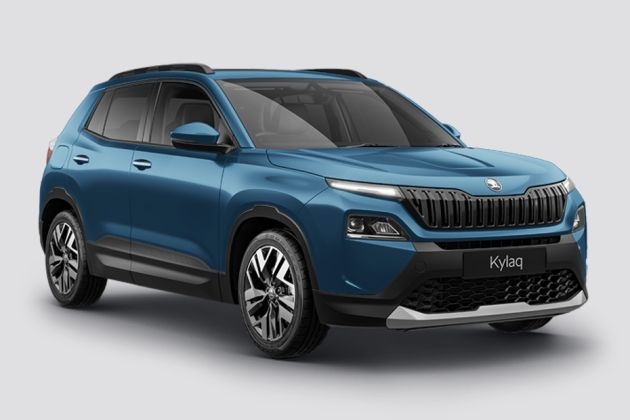
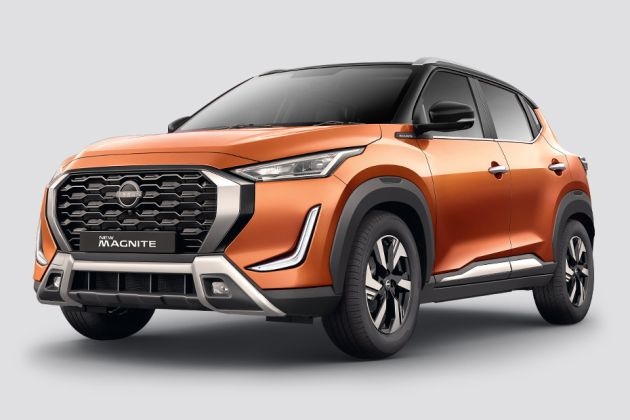
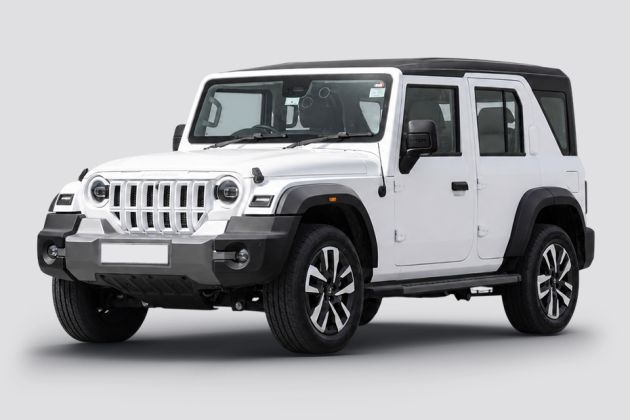
Compact SUVs have emerged as the default choice for Indian buyers, especially in the ₹8–15 lakh segment. Vehicles like the Tata Nexon and Hyundai Venue have consistently dominated sales charts—and for good reason.
Get the best deals on cars. Click here!First, there’s ground clearance. Indian roads can be unpredictable, and a higher stance gives drivers confidence across speed breakers, potholes, and uneven terrain.
Second, the SUV design language plays a major role. Buyers today prefer bold styling and a commanding road presence. Sitting higher up not only improves visibility but also creates a psychological sense of control and safety.
Third, compact SUVs deliver strong value perception. Even at similar price points, they feel bigger, tougher, and more feature-rich compared to sedans. Add to that features like sunroofs, large infotainment systems, and connected tech, and the appeal becomes even stronger.
Check out the Best Deals from Authorised WorkshopsWhile SUVs are growing, sedans haven’t vanished—they’ve simply become more selective in their audience.
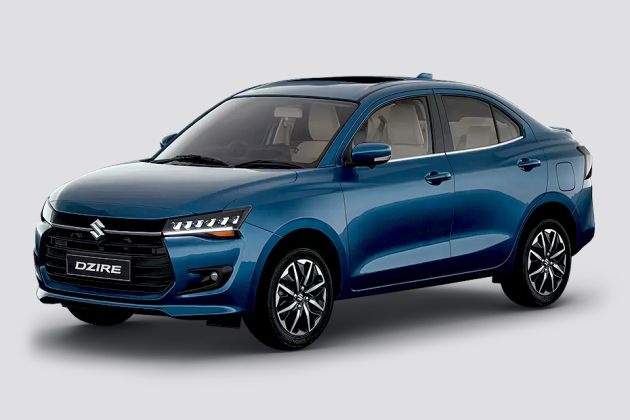
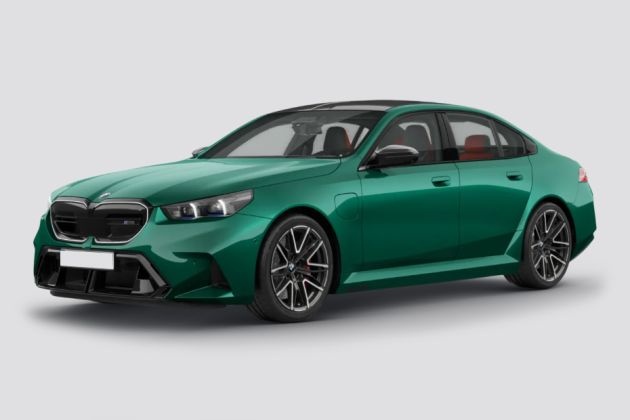
Models like the Honda City, Hyundai Verna, and Skoda Slavia still maintain a loyal customer base, particularly among urban buyers and driving enthusiasts.
However, sedans face clear challenges. Lower ground clearance makes them less practical for rough roads. Fewer new launches and reduced marketing focus have also impacted visibility. More importantly, there’s a shift in perception—sedans are often seen as traditional, while SUVs are viewed as modern and aspirational.
Despite the shift, sedans continue to offer advantages that compact SUVs struggle to match.
They deliver better ride quality, especially on highways, thanks to their lower center of gravity and refined suspension setup. For long-distance driving, sedans often feel more stable and comfortable.
Find the Best Deals from Trusted ShowroomsThere’s also the aspect of driving dynamics. Enthusiasts still prefer sedans for sharper handling and better control. Cars like the Volkswagen Virtus highlight how engaging a sedan can be behind the wheel.
Additionally, sedans tend to offer better fuel efficiency at higher speeds due to improved aerodynamics, along with more structured boot space for luggage.
The move toward SUVs is not purely functional—it’s largely psychological.
In today’s market:
As Indian buyers become more aspirational, vehicle choice is increasingly influenced by how a car feels, not just how it performs.
Experience the CarPhD Best Price Guarantee!Not entirely.
What we’re witnessing is not a replacement, but an expansion of preference. Compact SUVs have captured a larger share by appealing to a broader audience, including first-time buyers and upgrade seekers.
Sedans, on the other hand, have transitioned into a more niche, experience-driven segment.
Looking forward, compact SUVs are expected to maintain their dominance, especially in the mass market. At the same time, sedans are likely to evolve rather than disappear.
Get the best deals on cars. Click here!We can expect:
India hasn’t abandoned sedans—but the center of gravity has clearly shifted toward compact SUVs.
If SUVs are the mainstream choice, sedans are now the informed choice.
For buyers, the real decision shouldn’t be driven by trends alone. It should be based on usage, driving needs, and personal preference—because the best car isn’t the most popular one, but the one that fits your lifestyle.
Get the best deals on cars. Click here!