Car
CARPHD CHOICE 2026 RANKINGS: INDIA'S BIGGEST CUSTOMER-DRIVEN CAR DEALERSHIP RANKING

CarPhD






India’s SUV Boom: Data, Strategy & What’s Next
Introduction
Over the last decade, India's automotive landscape has undergone a dramatic transformation. Once dominated by hatchbacks and sedans, the market is now firmly led by SUVs.
From compact urban crossovers to premium full-size models, SUVs have become the preferred choice for Indian consumers across price segments. What was once considered a niche category has evolved into the backbone of the passenger vehicle industry.
Get the best deals on cars. Click here!But what is driving this SUV boom, and how sustainable is it?
This CarPhD analysis explores the data, strategies, and future outlook behind India's growing SUV dominance.
The Numbers Behind the SUV Revolution
The shift toward SUVs is no longer a trend—it is a structural transformation.
In 2025, utility vehicles (UVs), which include SUVs, accounted for approximately 66% of India's passenger vehicle market, compared to just 33% in 2019. In just six years, the segment doubled its market share.
India's passenger vehicle market also reached record volumes of more than 45 lakh units in 2025, with SUVs contributing the majority of growth.
Key Takeaway: SUVs are no longer a premium choice—they have become the mainstream choice.
Why Are Indians Choosing SUVs?
1. Better Road Presence
One of the biggest reasons behind SUV popularity is perception.
Indian buyers increasingly associate SUVs with:
Even compact SUVs provide a commanding driving position that many buyers prefer over traditional hatchbacks and sedans.
2. Practicality for Indian Roads
India's road conditions vary significantly.
SUVs offer:
For many buyers, especially outside metro cities, these benefits translate directly into convenience.
3. Feature-Rich Offerings
Automakers have packed SUVs with:
As a result, SUVs have become aspirational products for first-time buyers.
4. Wider Choice Across Budgets
Today's SUV market covers almost every price bracket.
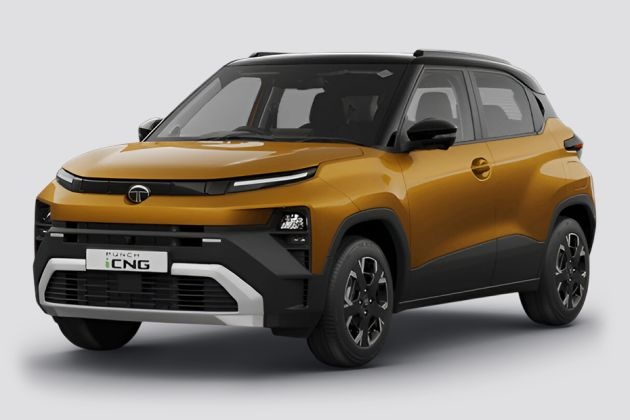
Examples include:
This broad portfolio has expanded the segment's reach significantly.
The Strategies Driving SUV Growth
OEM Product Focus
Most automakers are prioritizing SUVs in their product strategies.
Companies such as Mahindra & Mahindra, Tata Motors, Hyundai Motor India, and Maruti Suzuki have expanded SUV lineups aggressively.
The result:
Profitability Advantage
SUVs generally offer higher margins compared to hatchbacks.
For automakers, this means:
This commercial advantage ensures continued investment in the segment.
Platform Sharing
Modern manufacturers use common platforms across multiple SUVs.
Benefits include:
This strategy has accelerated SUV proliferation across the market.
The Models Leading the Boom
Several vehicles have played a critical role in shaping buyer preferences.
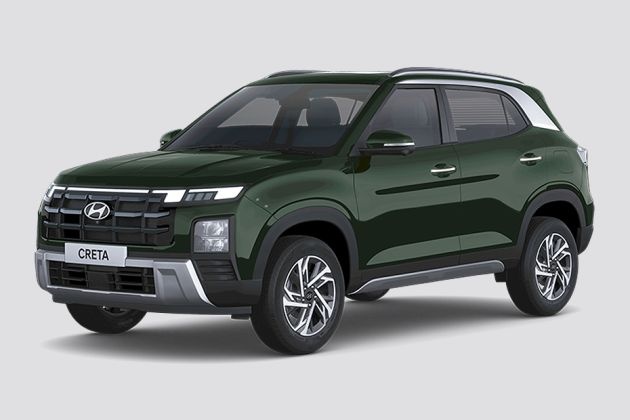
The Hyundai Creta continues to dominate the mid-size SUV segment and crossed 200,000 annual sales in 2025, maintaining a leading market position.
Other strong performers include:
These models have helped make SUVs accessible to a broader audience.
Is the SUV Boom Hurting Other Segments?
The rise of SUVs has come largely at the expense of:
While some sedans continue to perform well, their overall market share has declined significantly as consumers shift toward higher-riding vehicles.
However, sedans are not disappearing entirely. They still appeal to buyers who prioritize:
What’s Next for India's SUV Market?
Electrification
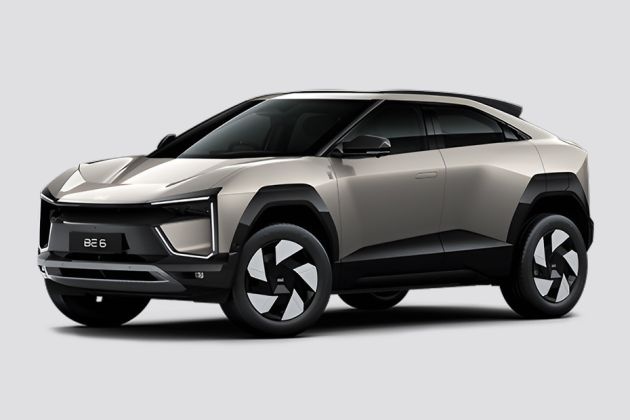
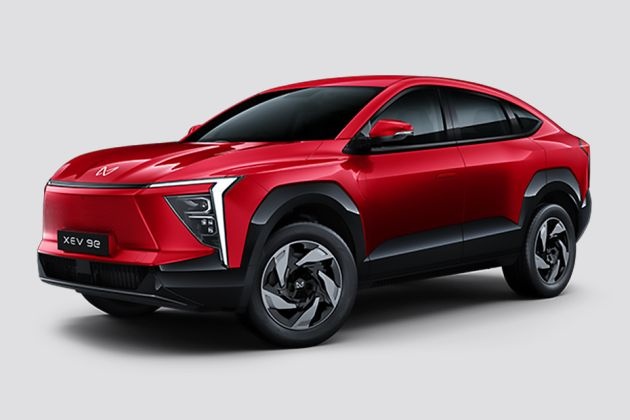
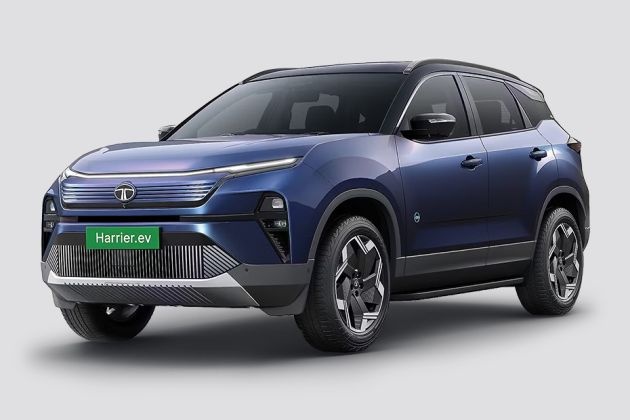
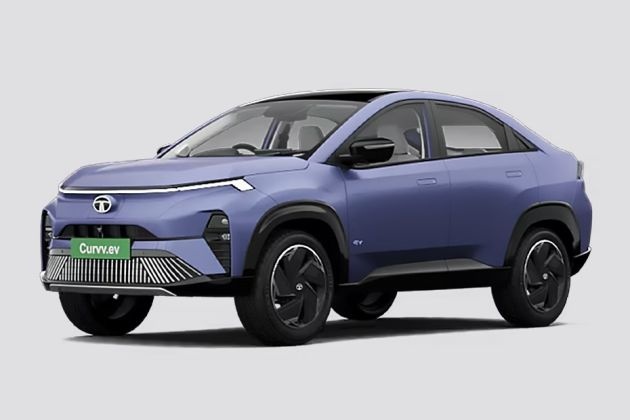
The next phase of SUV growth will increasingly involve EVs.
Automakers are launching:
This will expand SUV appeal further.
Technology-Led Differentiation
Future SUV competition will focus on:
Technology may become as important as engine performance.
Premiumization
Indian consumers are increasingly willing to spend more for:
This trend is expected to strengthen the SUV segment over the coming years.
CarPhD Final Verdict
India's SUV boom is no longer a temporary trend—it represents a fundamental shift in consumer behavior.
The combination of practicality, aspirational value, technology, and product variety has made SUVs the preferred vehicle choice across the country.
The success of SUVs is not just about higher ground clearance. It reflects changing consumer expectations around lifestyle, safety, comfort, and value.