Car
Planning to Buy a Car during festive period? Here’s a checklist

CarPhD







When you live in a hot climate — think relentless sun, asphalt-melting afternoons, and months of high temperatures — choosing the right car color isn’t just a matter of aesthetics. It can impact comfort, interior wear, energy use, and even resale value. In this guide, we walk through the best car colors for hot weather and explain why they matter so much.
Your car’s paint color affects how much sunlight it absorbs versus reflects:
The result? A lighter-colored car typically stays cooler in direct sun, reducing the need for blasting the AC — which can improve fuel economy and reduce wear on your cooling system.
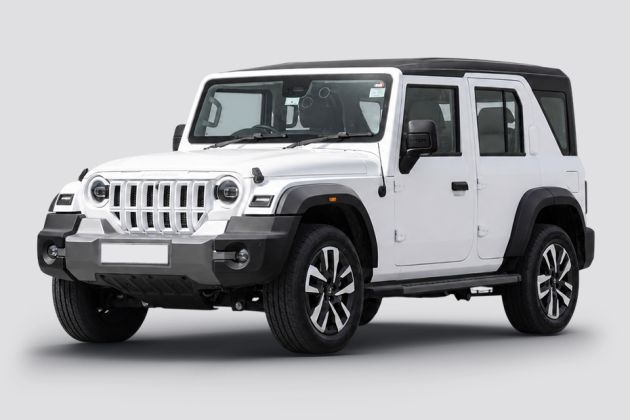
Get the best deals on cars. Click here!White reflects the most sunlight of any color, making it the best choice for hot climates.
✨ Pros:
? Best for: Daily drivers in hot, sunny regions.
Silver is a close second to white in terms of heat reflection.
✨ Pros:
? Best for: Drivers who want balance between heat control and easy maintenance.
Gray tones reflect heat decently and offer a trendier look.
✨ Pros:
? Best for: Style-minded drivers in hot areas.
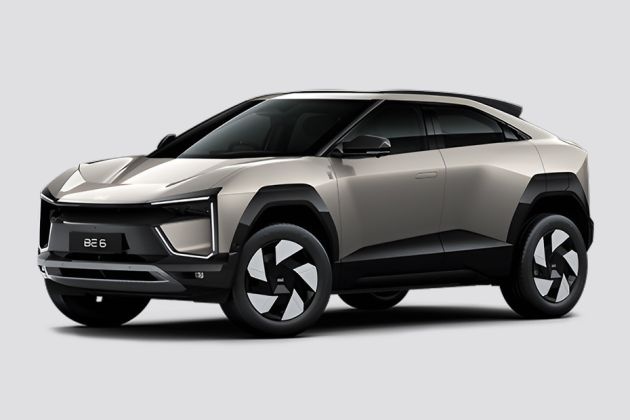
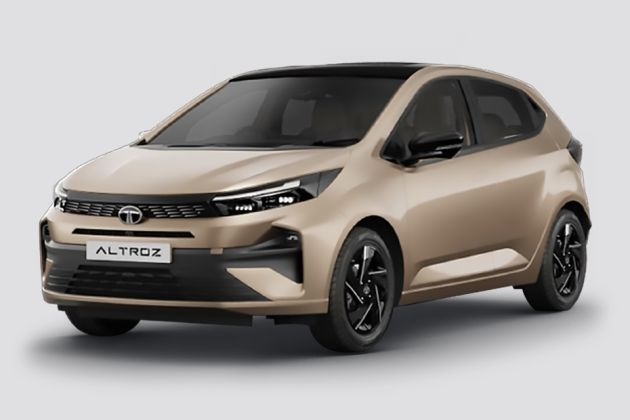
Beige and champagne colors reflect heat due to their light tones and can hide dust effectively.
✨ Pros:
? Best for: Drivers looking for a distinctive, heat-resistant color.
Black absorbs heat like a sponge, turning your car into an oven:
❌ Higher interior temperatures
❌ Increased AC use
❌ Faster fading of trim and upholstery
While richer visually, these colors still absorb more heat than lighter tones.
❌ Warmer cabin
❌ More heat strain on cooling system
Choosing a light-reflective color doesn’t just keep things comfortable — it also:
✔ Reduces wear on air conditioning
✔ Can help preserve dashboard and upholstery life
✔ May slightly improve fuel efficiency
✔ Helps maintain interior electronics
If you live where the sun dominates the calendar, go light — with white, silver, or light gray topping the list. Not only do these colors look great, they help your car stay cooler, save energy, and protect your interior over the long haul.