Car
Planning to Buy a Car during festive period? Here’s a checklist

CarPhD






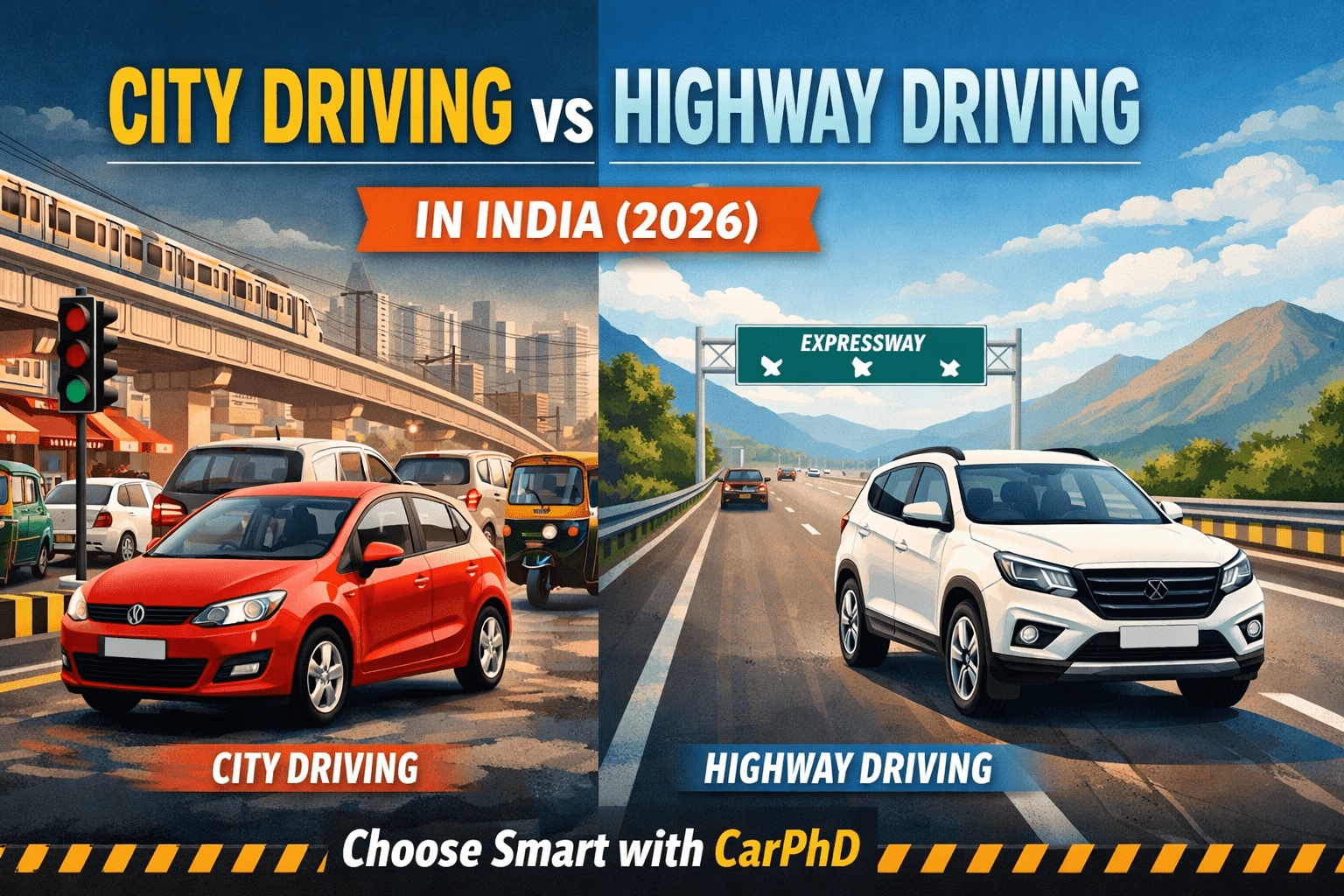
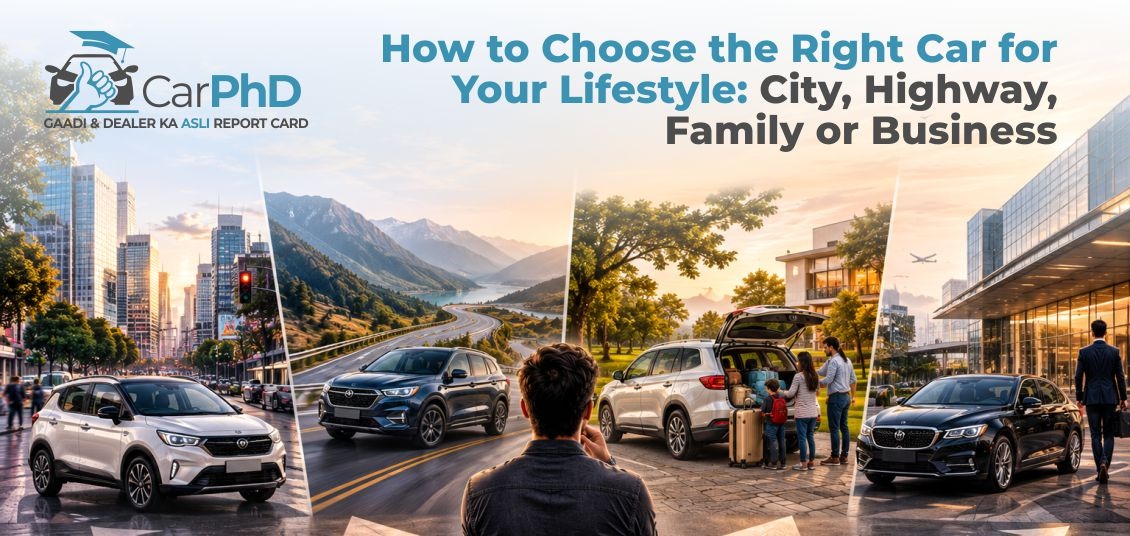
City Driving vs Highway Driving in India
Choosing the right car in India isn’t just about budget or brand value. It’s about where you drive most — city roads or highways. A car that feels perfect in bumper-to-bumper traffic may struggle on long expressway drives, while a powerful highway SUV can feel bulky inside crowded city lanes.
In this detailed CarPhD guide, we break down City Driving vs Highway Driving to help you make a data-driven, practical decision.
? City Driving in India: What You Actually Need
Typical City Conditions
Key Features for City Driving
1. Compact Dimensions
Smaller cars are easier to maneuver, park, and handle in tight lanes.
2. Automatic Transmission (AMT / CVT / DCT)
Reduces driver fatigue significantly in stop-go traffic.
3. Light Steering & Good Visibility
Improves ease of driving in crowded markets and residential areas.
4. Strong Low-Speed Fuel Efficiency
Petrol, hybrid, and EVs perform better for short urban commutes.
5. Low Maintenance Costs
City driving increases brake and clutch wear. Affordable service costs matter.
Best Car Types for City
Ideal For
? Highway Driving in India: What Really Matters
Typical Highway Conditions
Key Features for Highway Driving
1. Powerful Engine with High Torque
Diesel engines excel due to strong mid-range torque, making overtaking safer.
2. Stability & Suspension Setup
Longer wheelbase and better suspension tuning improve high-speed confidence.
3. Advanced Safety Features
Look for:
4. Cruise Control & Cabin Comfort
Long drives demand supportive seats and low NVH (Noise, Vibration, Harshness).
5. Better Highway Mileage
Most cars deliver better fuel efficiency at steady speeds.
Best Car Types for Highway
Ideal For
Petrol vs Diesel vs Hybrid vs EV: City vs Highway Comparison

Pro Tip: Diesel makes financial sense if your annual running exceeds 15,000 km.
Cost of Ownership: City vs Highway Cars
City-Focused Cars
Highway-Focused Cars
Quick Decision Framework
Choose a City Car if:
Choose a Highway Car if:
CarPhD’s Final Words
At CarPhD, we believe the smartest car choice is based on usage patterns — not trends or marketing hype.
If your life runs inside city limits, a compact, fuel-efficient automatic will reduce stress and ownership cost.
If highways are a regular part of your lifestyle, investing in a stable, powerful, and safety-focused sedan or SUV will enhance comfort and driving confidence.
Before buying, ask yourself one critical question:
Where do I drive 70% of the time?
Because that’s where your car will either feel perfect — or frustrating.
At CarPhD, our commitment remains simple:
Data-driven insights. Practical comparisons. Smarter car decisions.
Choose smart. Drive informed.